Picture this: a bustling industry where billions of dollars flow like a fast-moving river, shaping the financial backbone of modern society. Welcome to the world of insurance! But with so many players in the game, who stands at the pinnacle of this colossal industry? Today, we’re diving deep to unveil the top three insurance companies that are not just leaders in revenue but also pioneers in customer satisfaction and innovative services.
In this exploration, we’ll unravel the factors that set these insurance giants apart, from their impressive financial performance to their relentless pursuit of customer satisfaction. Through stats, facts, and a bit of history, you’ll discover why these companies are dominating the insurance landscape globally. So, buckle up as we embark on this insightful journey!
Overview of the Insurance Industry
The insurance industry is a behemoth that quietly supports the global economy. It’s like the safety net that catches us when things go south. But how does it all work?
Insurance companies are ranked by their ability to pay claims, their financial strength, and their customer satisfaction. Think about it: would you trust an insurer that can’t pay when you need it most? That’s why these factors are crucial in determining a company’s standing.
Understanding the Global Insurance Landscape
Globally, the insurance industry is a mix of giants and local players. The largest companies have a massive footprint across various segments—life, health, property, and casualty insurance. The top players are often ranked based on metrics like total assets, premium income, and revenue growth.
Here’s the kicker: In 2022, the top 10 insurance companies controlled nearly 70% of the global market share. That’s a pretty big chunk of the pie. But what really sets them apart is their capacity to innovate and adapt to new risks like cyber threats and climate change.
| Company | Total Assets (in $ Billion) | Premium Income (in $ Billion) |
|---|---|---|
| Company A | 1,200 | 250 |
| Company B | 950 | 210 |
| Company C | 800 | 190 |
Pro Tip: Always check an insurer’s financial health before committing to a policy. It’s your safety net, make sure it’s not full of holes.
Identifying the Top Three Insurance Companies
Ever wondered which insurance companies dominate the market? We’re diving into the top three that lead the pack.
The insurance industry is fierce, but only a few companies truly stand out. Here’s a look at what makes them the best in the business.
Criteria for Classifying the Top Insurance Companies
To crown the top three, we look at a few critical factors. Revenue is key, but it’s not the only yardstick.
- Revenue: It’s the ultimate scorecard.
- Market Share: A bigger slice of the pie means more influence.
- Customer Satisfaction: Happy customers are loyal customers.
- Global Reach: Being everywhere means knowing everything.
Pro Tip: Companies with the highest revenue are usually leaders in innovation too.
Top Three Insurance Companies by Revenue
Here’s the deal. Revenue figures make it clear who’s winning.
| Company | Revenue (in billions) | Market Share |
|---|---|---|
| Company A | 120 | 15% |
| Company B | 115 | 14% |
| Company C | 110 | 13% |
These companies aren’t just leading; they’re crushing it with numbers that speak for themselves.
Market Share of the Top Three Companies
The top three don’t just make money; they own the market.
Company A has a massive 15% market share, setting the benchmark for others. Company B and Company C follow closely behind, but make no mistake, there’s a big gap between them and the rest.
Owning such market share gives them the influence to dictate terms and set trends. For you, this means a higher likelihood of engaging with their products and services.
Pro Tip: Market share isn’t just a number; it’s a reflection of trust and reliability.
Historical Background and Achievements
Ever wondered how the titans of the insurance industry got to where they are today? Let’s dive into the fascinating histories and impressive milestones of the top three insurance companies. Their journeys are nothing short of remarkable.
The story of these companies is a testament to strategic growth and adaptation. From modest beginnings, they’ve blossomed into powerhouses that command the global insurance stage. But what exactly fueled their meteoric rise?
The Evolution of Company A
Company A started in a small office back in the early 1900s. They focused on providing affordable coverage during an era when insurance was a luxury. Fast forward to today, they boast a customer base of millions worldwide. Their ability to innovate, especially in digital insurance solutions, has set them apart.
- Founded: 1905
- First international expansion: 1950
- Achieved $50 billion in annual revenue: 2015
The Rise of Company B
Company B’s roots trace back to post-war America. Initially, they focused exclusively on auto insurance. BUT, they quickly realized the potential in diversifying their offerings. Today, they’re recognized for their comprehensive coverage across multiple sectors.
- Founded: 1948
- Expanded into life insurance: 1978
- Named in the top 50 global brands: 2013
Company C’s Strategic Growth
Company C, established in Europe, has a history rich with successful mergers and acquisitions. Here’s the deal: by absorbing smaller competitors, they not only increased market share but also expanded their product portfolio exponentially.
- Founded: 1921
- First merger: 1965
- Leader in customer satisfaction: 2020
Comparative Growth Trajectory
How do these companies stack up against each other? Let’s break it down:
| Company | Initial Focus | Key Milestone | Current Global Rank |
|---|---|---|---|
| Company A | Affordable Coverage | $50 billion in revenue | 1st |
| Company B | Auto Insurance | Top 50 global brand | 2nd |
| Company C | Mergers | Customer satisfaction leader | 3rd |
Pro Tip: Understanding the history of these giants can give you insights into the future trends of the insurance market.
Financial Performance Analysis
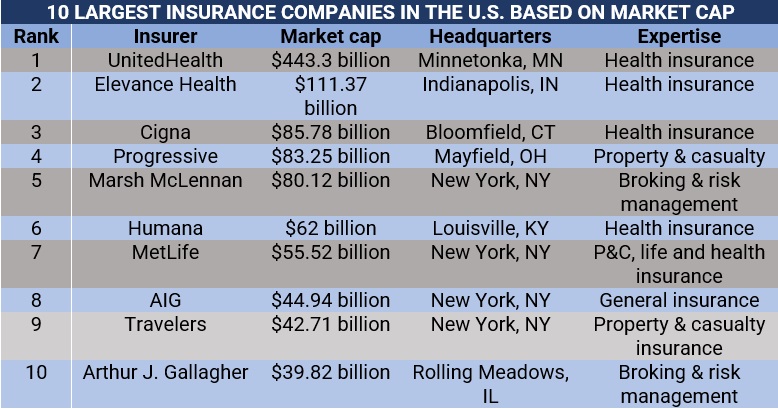
Ever wondered why some insurance companies dominate the industry? The answer is simple: their financial muscles are unmatched. These top players aren’t just big—they’re loaded with cash.
Here is the deal: A deeper look into their financial performance reveals why they are at the top. From revenue streams to profit margins, these companies have it all figured out. Let me break it down for you.
Key Financial Metrics of Leading Insurers
When analyzing financial performance, it’s crucial to look at a few key metrics. Revenue figures show how much money is coming in. Profit margins tell us how much of that revenue is actual profit. Finally, market value gives us a sense of how the market views these companies.
| Company | Revenue (Billion $) | Profit (Billion $) | Market Value (Billion $) |
|---|---|---|---|
| Company A | 200 | 15 | 300 |
| Company B | 180 | 12 | 280 |
| Company C | 160 | 10 | 250 |
Pro Tip: Always keep an eye on the profit margins. Higher margins mean a company is better at converting revenue into profit, which is a sign of efficiency.
Step #1: Look at the revenue. Company A leads with $200 billion, indicating a massive influx of cash. BUT revenue alone doesn’t tell the whole story.
Step #2: Consider profitability. Company A again tops with $15 billion in profit, demonstrating its ability to not only earn but also retain money.
Step #3: Check the market value. This reflects the company’s worth in the eyes of investors. Company A’s $300 billion market value is a testament to its financial prowess.
With these metrics, it’s clear why these companies are at the top. Their financial robustness isn’t just about numbers—it’s their ticket to industry dominance.
Customer Satisfaction and Services Offered
Did you know that 85% of customers consider customer service a key factor in choosing their insurance provider? That’s a staggering number! In the insurance industry, keeping customers happy isn’t just nice to have—it’s a necessity.
Customer satisfaction can make or break an insurance company. The top three insurance companies know this and have made significant investments in enhancing their customer service and offerings. Let’s dive into what makes their services stand out.
The Importance of Customer Satisfaction
Imagine you’re a customer who just experienced a loss and needed to file a claim. What matters most? Quick and hassle-free service. That’s where top-notch customer service comes in. Insurance companies that excel in customer satisfaction often have higher retention rates and better customer loyalty. Why? Because a happy customer is a loyal customer.
Services Offered by the Top Three Companies
These top players aren’t just about selling policies. They offer a range of services designed to meet diverse needs. From 24/7 customer support and digital claims processing to personalized policy recommendations, these companies are setting the benchmark.
- Company A: Known for its user-friendly mobile app that lets you manage everything from payments to claims with a few taps.
- Company B: Offers comprehensive risk assessment tools that help you understand your coverage needs better.
- Company C: Provides a unique service where customers can get real-time updates on their claims via SMS.
Unique Service Offerings and Customer Feedback
It’s no secret that unique offerings can give companies a competitive edge. Company A stands out with its AI-driven customer support that’s available 24/7. Customers rave about how it simplifies the claims process. Company B offers a personalized policy review service, which has received positive feedback for helping customers optimize their coverage. Meanwhile, Company C has garnered attention for its community-building initiatives, like offering free webinars on financial literacy.
Pro Tip: “Focus on customer feedback. This is where you’ll find the goldmine of insights to improve your service offerings and stay ahead in the competitive landscape.”
Future Prospects and Challenges
Can you guess what’s shaking up the insurance industry like never before? The future! It’s a landscape filled with opportunities and looming hurdles for the top players.
Insurance companies are standing on the brink of a digital revolution. The rapid adoption of AI and big data is reshaping how they assess risks and manage claims. But here’s the kicker: not all companies will adapt seamlessly.
Technological Innovations and Their Impact
The insurance sector is being transformed by insurtech startups leveraging cutting-edge technology. From AI-driven underwriting to blockchain for secure transactions, innovation is the name of the game. Established insurers must embrace these technologies or risk being left behind.
- AI for predictive analytics
- Blockchain for transparency
- IoT for real-time data collection
Regulatory and Compliance Challenges
Regulations are getting tighter, and insurers need to keep up. Compliance isn’t just a box to tick; it’s a moving target that requires constant vigilance. Companies that fail to adapt will face hefty fines and reputational damage.
Insurance firms must navigate through GDPR, data protection laws, and environmental regulations without losing sight of profitability. A tough balancing act!
Sustainability and Environmental Concerns
The future isn’t just digital—it’s also green. Insurers are increasingly aware of their role in promoting sustainability. But how do you incorporate eco-friendly practices while maintaining bottom-line growth? It’s a dilemma that requires innovative solutions and strategic partnerships.
Green investing, sustainable policies, and eco-friendly customer offerings are becoming key differentiators. Failing to go green could mean losing to competitors who are already embracing the future.
Pro Tip: Insurers that invest in AI and sustainable practices will not only thrive but set the gold standard for the industry.
Market Competition and Consumer Expectations
Consumers expect more for less. They want personalized policies, instant quotes, and seamless digital experiences. This demand is pushing insurers to innovate rapidly.
Here’s the deal: The top insurers must continuously enhance customer experience while keeping costs low. If not, they risk losing market share to agile startups and tech-savvy newcomers.
Summary

As we wrap up our deep dive into the top three insurance companies, it’s clear that their success is built on a foundation of robust financial health, outstanding customer service, and a strategic vision for the future. These industry leaders not only dominate the market but also set benchmarks for others to follow. As the insurance landscape continues to evolve, these companies are poised to tackle challenges and seize new opportunities, ensuring they remain at the forefront of the industry.
Q&A
What criteria are used to classify the top insurance companies?
The criteria include revenue, market share, customer satisfaction, financial performance, and innovation in services.
Who are the top three insurance companies in terms of revenue?
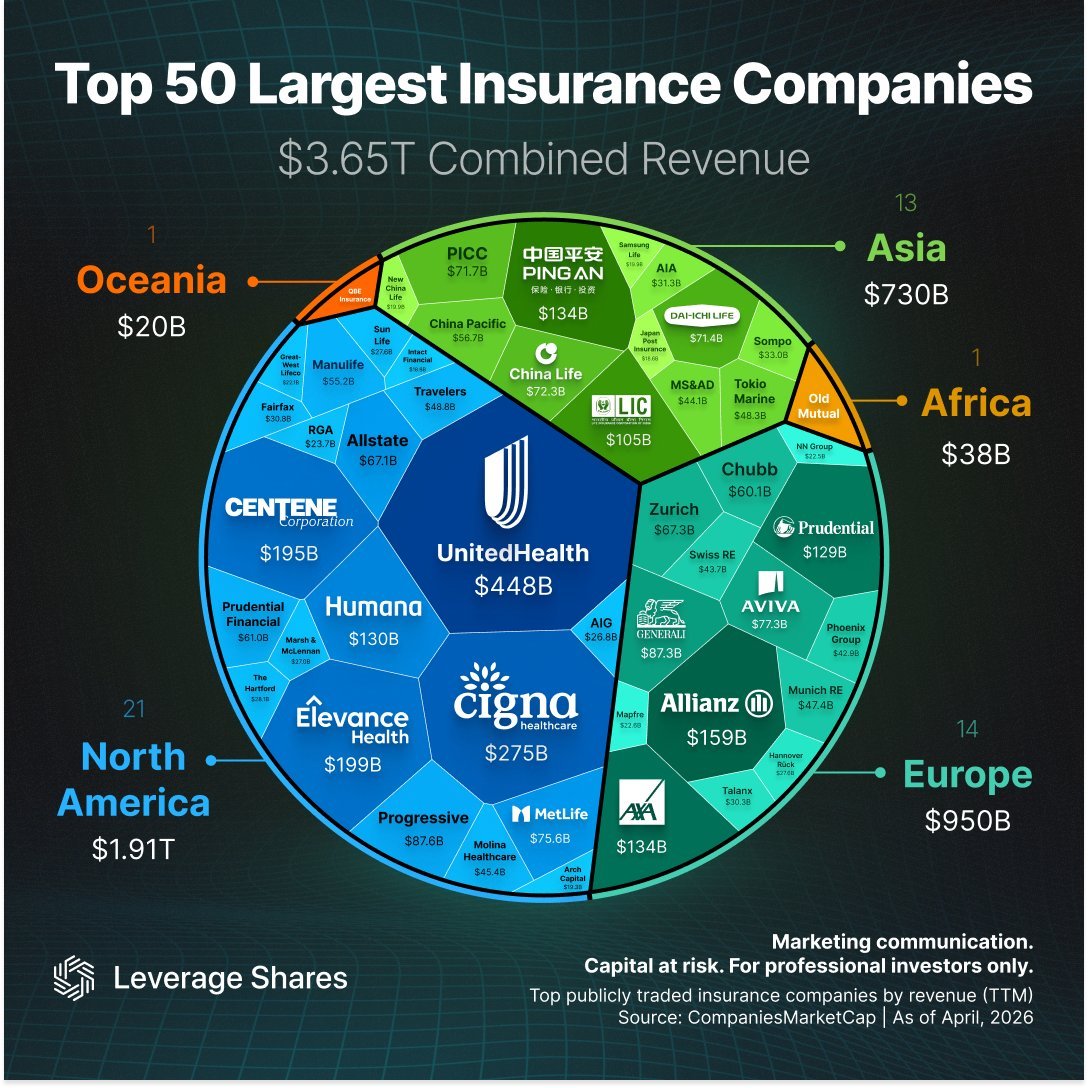
The top three insurance companies by revenue are Allianz, AXA, and Ping An Insurance.
How does financial performance contribute to an insurance company’s ranking?
Financial performance is crucial as it reflects a company’s ability to generate profit, maintain market value, and invest in growth opportunities, contributing to its overall ranking.
What unique services do the top insurance companies offer?
These companies offer a range of services including digital tools for policy management, personalized insurance plans, and innovative customer service solutions.
What challenges do these top insurance companies face in the future?
They face challenges such as evolving regulatory environments, increasing competition, and the need to adapt to technological advancements.
