When it comes to protecting your business in Washington State, errors and omissions insurance is like your secret weapon. It’s not just about safeguarding your finances; it’s about ensuring peace of mind. Whether you’re a real estate agent, consultant, or software developer, understanding the nuances of this insurance could be the difference between a thriving business and a legal nightmare.
As we dive deeper into this topic, you’ll discover how errors and omissions insurance acts as a safety net for businesses. It’s not just a policy; it’s a strategic advantage in a world where mistakes can lead to costly consequences. Let’s explore the ins and outs of this essential coverage with a focus on its importance, legal requirements, and the best providers in Washington State.
Understanding Errors and Omissions Insurance
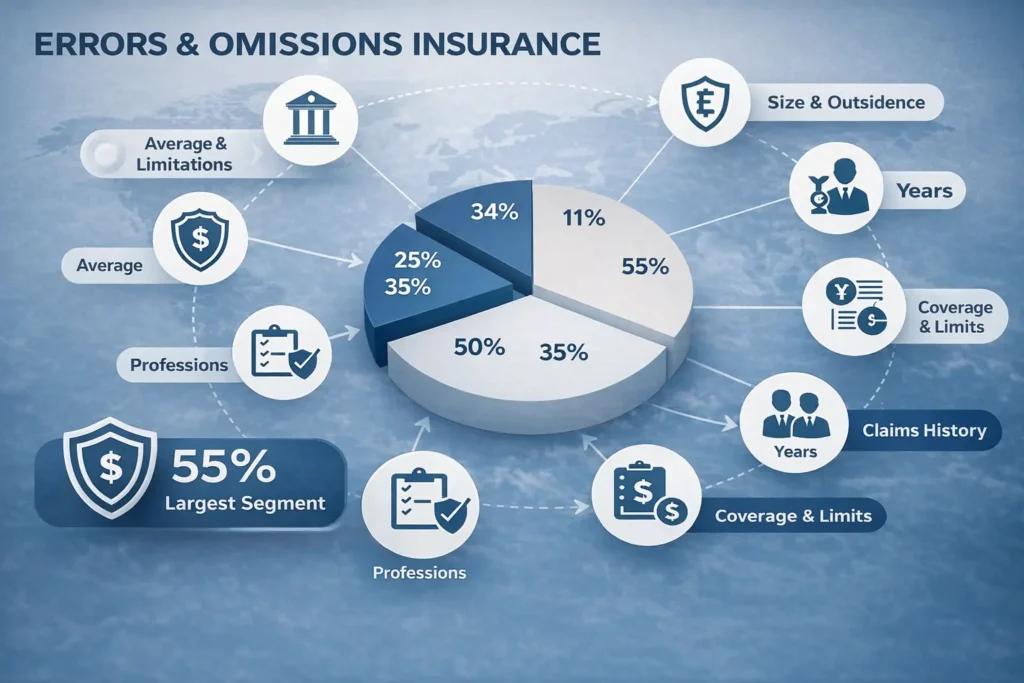
Did you know that mistakes could cost your business thousands, if not millions, of dollars? That’s where Errors and Omissions (E&O) Insurance comes into play.
E&O insurance is your safety net against lawsuits claiming inadequate work or negligent actions. If you’re running a business in Washington State, this coverage is crucial. It acts as a financial shield, covering legal fees and settlements when clients claim your services caused them financial harm.
Typical Coverage Features and Benefits
E&O Insurance typically covers legal defense costs, judgments, or settlements up to the limit specified in your policy. The best part? It covers claims even if they turn out to be groundless. That means you can focus on your work without constant fear of getting sued.
But here’s the deal: not all policies are created equal. You need to choose one that fits your specific industry needs. It’s like ordering a custom-made suit; it has to be just right for you.
Who Needs Errors and Omissions Insurance?
You might be wondering, “Do I really need this insurance?” Well, if you’re in a service-based business, the short answer is yes. Here’s a quick rundown:
- Consultants
- Accountants
- Real Estate Agents
- IT Professionals
- Architects
These professions frequently face claims due to the nature of their work. It’s not about if, but when a claim might arise.
Imagine you’re an IT consultant, and a software bug you missed costs your client thousands. E&O insurance could cover the legal fallout.
Pro Tip: Always check what your E&O policy covers, and consider additional endorsements for more comprehensive protection.
Legal Requirements and Regulations in Washington State
Did you know that operating without the right insurance could cost you big time? In Washington State, errors and omissions (E&O) insurance isn’t just a smart move—it’s a legal necessity for many professionals.
Here’s the deal: Washington requires certain businesses to carry E&O insurance to protect against claims of negligence or inadequate work. This isn’t just a suggestion; it’s a requirement rooted in consumer protection and state law.
Understanding the Legal Framework
In Washington State, laws mandate E&O insurance for professionals like real estate agents, financial advisors, and healthcare providers. The Washington State Office of the Insurance Commissioner (OIC) is the regulatory body ensuring compliance. If you’re caught without it, you’re not just risking your reputation—you could face fines or even lose your license.
The Office of the Insurance Commissioner enforces these regulations strictly. They ensure that all insurance products, including E&O policies, adhere to state laws. The goal is to uphold the integrity of professional services and protect consumers from potential harm.
Consequences of Non-Compliance
Failing to stick to these regulations can result in severe penalties. Imagine this: your business is hit with a lawsuit, and you don’t have the coverage. That’s not just risky—it’s disastrous for your finances and credibility.
Pro Tip: Always double-check with the OIC to ensure your policy meets all state requirements.
Legal Requirements Table
| Requirement | Description | Regulatory Body | Implication if not met |
|---|---|---|---|
| E&O Insurance Coverage | Mandatory for specified professions | Office of the Insurance Commissioner | Fines, license suspension, legal action |
| Annual Policy Review | Ensure policy compliance and adequacy | Office of the Insurance Commissioner | Risk of inadequate coverage |
| Updated Risk Assessment | Regular updates to reflect current operations | Office of the Insurance Commissioner | Poor risk management |
Comparing Errors and Omissions Insurance Providers
Which insurance provider offers the best bang for your buck in Washington State? Not all providers are created equal, and making the wrong choice could cost you big time.
When choosing an Errors and Omissions insurance provider, you want one that offers comprehensive coverage without breaking the bank. Let’s dive into the key players in Washington State and what they bring to the table.
Top Providers and What They Offer
First up, let’s look at the big players in the market. Providers like Hiscox, CNA, and The Hartford dominate this space. BUT what do they really offer you?
Hiscox is known for its flexible policies. You can tailor your coverage to exactly what you need. CNA is a solid choice if you’re looking for a provider with a strong reputation and a focus on personalized service. The Hartford shines with its excellent customer service and competitive pricing.
Here is the deal: the coverage options and pricing can vary widely between these companies. Here’s a quick breakdown:
| Provider | Coverage Options | Pricing | Customer Reviews |
|---|---|---|---|
| Hiscox | Customizable policies, broad coverage | $$$ | 4.5/5 |
| CNA | Strong legal assistance, robust policies | $$ | 4.6/5 |
| The Hartford | Good standard coverage, add-ons available | $$ | 4.4/5 |
Choosing the Right Provider
So, which provider is your best bet? Look at the coverage options and make sure they align with your specific business needs.
Price is always a factor, but don’t let it be the only one! You want a provider that will actually have your back when things go south. Customer reviews can be a goldmine for this.
Pro Tip: Don’t just skim the reviews. Dive deep into customer feedback to see how each provider handles claims and disputes.
Choosing the right Errors and Omissions insurance provider isn’t just about price. It’s about finding a partner you can trust.
How to File a Claim for Errors and Omissions Insurance
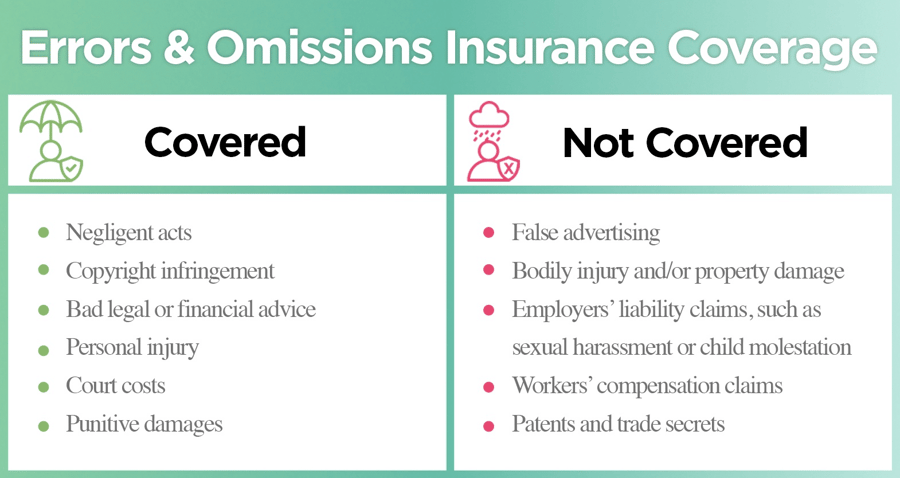
Did you know that 40% of small businesses will experience an insurance claim in the next decade? Filing an errors and omissions (E&O) claim might seem daunting, but it doesn’t have to be.
Here’s the deal: understanding the process can save you time, money, and stress. Let’s break down the steps for filing an E&O claim in Washington State.
Step-by-Step Process for Filing an E&O Claim
The first step is notifying your insurer as soon as you become aware of a potential claim. Time is of the essence here, and notifying your insurer promptly can prevent delays. Next, you’ll need to fill out the claim form. It’s crucial to be accurate and thorough in your descriptions. Missing details can slow down the process or even cause a denial. Once the form is complete, gather all relevant documentation to support your claim. Finally, submit everything to your insurer and keep a copy for your records.
Example of a Completed Claim Form
Having an example can make the process clearer. Below is a simplified version of what a completed claim form might look like:
| Field | Example Entry |
|---|---|
| Name of Policyholder | Jane Doe |
| Date of Incident | 01/15/2023 |
| Description of Incident | A miscommunication led to a financial loss for the client. |
| Steps Taken | Immediate notification to the client and corrective actions were implemented. |
Common Challenges and Pitfalls in the Claims Process
Submitting incomplete documentation or failing to meet deadlines are common pitfalls. To avoid these, make sure to organize your documents and track deadlines diligently. Miscommunication is another trap. Always clarify any doubts with your insurer.
Pro Tip: Double-check all entries on your form and keep a detailed log of communications with your insurer.
Necessary Documentation for Filing a Claim
Being prepared with the right documents can streamline your claim process. Here’s what you’ll need:
- Completed Claim Form
- Policy Documentation
- Proof of Incident (emails, contracts, etc.)
- Communication Records with the Client
- Any Legal Correspondence
- Financial Statements or Loss Reports
With these steps and tips, you’ll be better equipped to navigate the claims process. Remember, preparation and attention to detail are your best allies in filing a successful E&O claim.
Costs and Factors Affecting Premiums
Did you know that your business location could impact your errors and omissions insurance premium? It’s true. In Washington State, several factors can drastically change what you pay.
Here is the deal: insurance companies consider things like your industry, the size of your business, and your claims history. Each of these factors can swing your premium from low to high. Luckily, by understanding these elements, you can take steps to reduce your costs effectively.
Factors Influencing Premiums
First up: Industry Type. Are you in real estate or tech? Industries with higher risk profiles typically face steeper premiums. For instance, a real estate agent might pay more than a software developer.
Next, let’s talk about Claims History. If you’ve filed multiple claims in the past, insurers see you as a risk. The more claims, the higher the premium—simple as that.
Pro Tip: Maintain a clean claims record to keep your costs low.
Then there’s Business Size. Larger businesses with more clients or projects usually pay more because there’s a higher chance that something could go wrong.
Reducing Your Premiums
So, how can you lower your premiums? Step #1: Implement risk management processes. Identify weak spots in your services and address them.
Step #2: Regularly train your staff. Well-informed employees make fewer mistakes, reducing your risk factor.
Step #3: Consider increasing your deductible. A higher deductible means a lower premium, though you’ll pay more out-of-pocket if a claim arises.
Pro Tip: Bundle your policies to get discounts from insurers.
Want to see how these factors stack up? Here’s a breakdown:
| Factor | Impact on Premium | Ways to Mitigate | Industry Average Cost |
|---|---|---|---|
| Industry Type | High Risk = Higher Premiums | Choose Lower Risk Sectors | $1,200 – $2,500 |
| Claims History | More Claims = Higher Premiums | Improve Risk Management | $1,000 – $3,000 |
| Business Size | Larger Size = Higher Premiums | Scale Down Client Exposure | $1,500 – $4,000 |
Future Trends in Errors and Omissions Insurance
Did you know that the global E&O insurance market is projected to hit $12 billion by 2026? Washington State is no exception to this growth. BUT what does the future hold for E&O insurance here?
The landscape is evolving, driven by technology and changing customer expectations. Let’s dive into some trends that will redefine E&O insurance in Washington State.
Technological Advancements Shape the Insurance Landscape
Technology is turning the E&O insurance market on its head. In Washington State, insurers are leveraging AI and machine learning to assess risks more accurately. This means policies are becoming more personalized and tailored to individual needs.
Furthermore, blockchain technology is enhancing security and transparency in insurance transactions. Imagine filing a claim with zero paperwork hassles!
Pro Tip: Look for insurers that offer digital claim submissions and policy management tools. This can save you time and headaches.
Key Challenges and Opportunities for Insurers and Policyholders
Here’s the deal: While tech brings opportunities, it also introduces challenges. Cybersecurity threats are a significant concern as insurers digitize their operations. Policyholders in Washington State need to be more aware of their cyber liability.
On the flip side, insurers have the chance to innovate product offerings. By providing comprehensive coverage that integrates cyber risk, they can meet the demands of a tech-savvy clientele.
Potential Innovations and Their Impact on Insurance Practices
Innovation is not just a buzzword; it’s the future. Let’s explore some game-changing innovations:
- Telematics: Used to gather real-time data, offering more accurate risk assessments.
- Smart Contracts: Automate policy terms using blockchain, reducing errors and speeding up processes.
- Augmented Reality (AR): Enhances training for E&O risk assessment, ensuring better-informed decisions.
These innovations aren’t just futuristic fantasies. They’re shaping the way insurers and policyholders interact, making E&O insurance more efficient and reliable.
Final Thoughts

As we wrap up our exploration of errors and omissions insurance in Washington State, it’s clear that this coverage is more than just a legal requirement; it’s a business imperative. From understanding the intricacies of the policy to choosing the right provider, each step you take is an investment in your business’s future. Stay informed, stay covered, and let this insurance be your shield in the unpredictable world of business.
Common Queries
What is errors and omissions insurance?
Errors and omissions insurance is a type of liability insurance that protects businesses against claims of inadequate work or negligent actions.
Why is errors and omissions insurance important in Washington State?
It’s crucial because it helps protect businesses from financial losses due to lawsuits over mistakes or negligence in their services.
Which professions typically require errors and omissions insurance?
Professions like real estate agents, consultants, financial advisors, and IT professionals commonly require this insurance.
What are the legal requirements for errors and omissions insurance in Washington State?
The requirements vary by industry, but generally, businesses must have this insurance to comply with state regulations.
How can I choose the best errors and omissions insurance provider?
Look for providers with comprehensive coverage options, competitive pricing, and positive customer reviews.
How do I file an errors and omissions insurance claim?
Gather all necessary documentation, fill out the claim form accurately, and submit it to your insurance provider.
What factors affect the cost of errors and omissions insurance?
Factors include the type of industry, claim history, and coverage limits required.
