Hey there, fellow entrepreneur! Ever feel like your business is a delicate house of cards, ready to collapse with the slightest breeze? Well, what if I told you that there’s a way to add some sturdy walls and a roof to that house of cards? Enter: small business insurance. It’s not just a safety net; it’s your business’s best friend in times of need.
In this guide, we’re diving deep into the world of small business insurance, unraveling the mysteries behind insurance types, costs, and how they can propel your business toward growth. So buckle up and get ready for a ride that’s sure to leave your business stronger and more secure than ever before!
Types of Small Business Insurance
Did you know that 40% of small businesses experience an insurance claim in any given year? That’s staggering. As a small business owner, understanding your insurance options is crucial.
Here is the deal: You need to know the right types of insurance for your business to stay protected. Don’t leave this to chance.
General Liability Insurance
General Liability Insurance is the Swiss Army knife of business coverage. It’s your go-to for protecting against claims of bodily injury, property damage, and advertising injury. Whether you’re in retail or tech, this policy is a must-have.
Pro Tip: Even if you operate from home, you might still need this coverage. Many homeowner policies don’t cover business activities.
Professional Liability Insurance
Also known as Errors and Omissions Insurance, this policy is crucial for service-based businesses. It covers you if a client claims your work caused them financial harm. Think consultants, accountants, and agencies.
Business Owner’s Policy (BOP)
A BOP bundles General Liability and Property Insurance into one policy. It’s perfect for small to mid-sized businesses looking for a comprehensive package. You’ll typically save more than buying these coverages separately.
Commercial Auto Insurance
If your business owns vehicles, you need Commercial Auto Insurance. This isn’t just for delivery or transportation companies; it covers any vehicle used for business purposes.
| Insurance Type | Coverage Details | Industry Relevance |
|---|---|---|
| General Liability | Claims of injury, property damage, advertising injury | Retail, Tech, Hospitality |
| Professional Liability | Errors, omissions, negligence in service | Consulting, Accounting, Legal |
| Business Owner’s Policy | Combines liability and property insurance | Small to Mid-sized Business |
| Commercial Auto | Vehicles used for business purposes | Transportation, Delivery, Sales |
Workers’ Compensation Insurance
Accidents happen. When they do, Workers’ Compensation Insurance steps in to cover medical expenses and lost wages. It’s a legal requirement in most states if you have employees.
Cyber Liability Insurance
No one is immune to cyber-attacks. Protect your business from data breaches and cyber threats with Cyber Liability Insurance. Essential for any business that handles sensitive data.
Importance of Small Business Insurance

Did you know that 40% of small businesses never reopen after a disaster? That’s a shocking stat. But it highlights how crucial insurance can be.
When you’re running a small business, you can’t afford to overlook insurance. It’s more than just a safety net; it’s your lifeline when the unexpected happens. From natural disasters to legal claims, insurance covers you when things go south.
Mitigating Potential Risks
Imagine a customer slipping and injuring themselves on your premises. Without insurance, you might find yourself neck-deep in legal fees. With the right policy? You’ll have the financial backing to handle such situations smoothly.
Insurance doesn’t just protect against accidents. It safeguards your business from theft, property damage, and even data breaches.
- Natural Disasters
- Legal Claims
- Theft and Vandalism
- Cyber Attacks
Ensuring Long-term Financial Security
Think of insurance as an investment in your business’s future. It ensures that even if disaster strikes, your business remains financially stable. No more worrying about how a single event could end it all.
You can’t predict the future, but you can prepare for it.
Here is the deal: without insurance, one major incident can lead to financial ruin. But with the right coverage, you’re not just surviving; you’re thriving despite the odds.
Let’s lay it out:
- Protect your assets
- Maintain operational continuity
- Preserve your reputation
Pro Tip: Regularly review and update your insurance policy to ensure comprehensive coverage.
Cost Factors for Business Insurance
Did you know that two businesses with similar profiles can pay wildly different insurance premiums? Understanding the cost factors behind business insurance can save you a lot of money.
Here is the deal: several elements affect how much you pay. From your industry type to the size of your workforce, each factor can significantly influence your premium. Let’s break down these factors and see how you can estimate your insurance costs.
Factors Influencing Insurance Costs
Different businesses face different risks, and insurers look at several key factors when setting your premium rates. The first factor is the industry you’re in. For instance, construction businesses often pay more due to higher risk compared to a small consultancy.
Next, there’s the business location. Operating in an area prone to natural disasters? That’s likely to inflate your costs. Also, the size of your workforce plays a role—more employees mean higher premiums, thanks to increased liability.
| Factor | Impact on Cost | Example Scenarios |
|---|---|---|
| Industry Type | High Risk = High Cost | Construction vs. Consulting |
| Location | Disaster Prone = High Cost | California vs. Nebraska |
| Workforce Size | More Employees = Higher Cost | 50 Employees vs. 5 Employees |
Methods for Calculating Insurance Premiums
Calculating your business insurance premium isn’t rocket science, but it does require understanding some basics. You start by analyzing your risk factors. The higher the risk, the more you’ll pay. So, if your business involves heavy machinery, expect a steeper bill.
BUT, don’t worry. Many insurers offer discounts if you have safety protocols in place. Also, bundling different types of insurance can score you a better rate.
Step-by-Step Procedure for Estimating Insurance Costs
Want to estimate your insurance costs? Follow these simple steps:
- Identify your industry and location-specific risks.
- Count your employees and assess the level of risk each role presents.
- Research average rates in your industry.
- Contact multiple insurers for quotes and compare.
- Ask about potential discounts for bundling or safety measures.
Pro Tip: Always review your insurance annually. Business conditions change, and so should your coverage.
By understanding these factors and taking a proactive approach, you can ensure you’re neither underinsured nor overpaying. Get crunching those numbers!
Selecting the Right Insurance Policy

Did you know that 40% of small businesses never reopen after a disaster? Having the right insurance policy can be the difference between closing your doors for good or coming back stronger.
But with so many options out there, how do you choose the right one for your business? Here’s the deal: selecting the right insurance policy means understanding your specific needs and comparing providers to find the best fit.
Guide to Choosing the Appropriate Insurance Policy
Step #1: Identify your business’s unique risks. Every business has its quirks—things that make it special but also vulnerable. Are you a retailer worried about theft? Or a tech startup concerned about data breaches?
Step #2: Understand the basic types of insurance that you might need. This usually includes general liability, property insurance, and often workers’ compensation. The trick is to match these with your unique risks.
Comparing Different Insurance Providers
Not all insurance providers are created equal. Some might offer lower premiums, but skimp on coverage. Others might excel in claims processing. Here’s a quick comparison:
| Provider | Specialties | Pricing | Customer Reviews |
|---|---|---|---|
| Provider A | Retail and Hospitality | Competitive | 4.5/5 |
| Provider B | Tech and Startups | Premium | 4.7/5 |
| Provider C | General Liability | Budget | 4.2/5 |
Strategies for Evaluating Policy Terms and Conditions
Step #1: Dive into the fine print. This is where the devil hides. Look for exclusions and limitations that could leave you unprotected.
Step #2: Check the coverage limits. Ensure they are adequate for potential claims in your industry. It’s better to be over-insured than under-insured.
Pro Tip: Always ask your insurance agent these questions:
- What specific risks does this policy cover?
- Are there any industry-specific exclusions?
- How will my premiums change as my business grows?
- What is the claims handling process?
Common Insurance Claims in Small Businesses
Did you know that 43% of small businesses will experience a claim situation within the next ten years? Whether it’s property damage or a liability issue, insurance claims are more common than you might think. Let’s dive into the nitty-gritty of these claims and how you can handle them like a pro.
If you’re a small business owner, understanding the most frequent claims is crucial. These claims range from slip-and-fall accidents to data breaches. Knowing what’s common helps you prepare and protect your business better.
Types of Common Insurance Claims
The usual suspects in small business insurance claims include property damage, liability claims, and employee injury. Property damage might come from fires or natural disasters, while liability claims often involve customer injuries. Employee injuries are covered under workers’ compensation. Here is the deal: understanding these types helps you anticipate potential risks.
Imagine a scenario where a customer slips in your store. This could lead to a liability claim. Or, consider a case where a storm damages your office space. Property insurance would cover such incidents. Filing a claim for these issues is inevitable, and knowing your policy details is key.
Steps to File an Insurance Claim Efficiently
Speed and accuracy are crucial when filing an insurance claim. The process can be overwhelming, but following a structured approach helps. Here’s a quick rundown to ensure you’re not missing out on anything:
- Step #1: Document everything immediately. Take photos and gather evidence.
- Step #2: Contact your insurance provider right away. Provide them with all the necessary information.
- Step #3: Fill out the claims forms meticulously. Any errors can delay the process.
- Step #4: Follow up consistently. Keep track of your claim status.
This systematic approach can save you time and hassle in the long run. But remember, the devil is in the details. Missing one step can cost you.
Pro Tip: Always keep copies of all communications and documents related to your claim. It can be a lifesaver if disputes arise.
Impact of Insurance on Business Growth
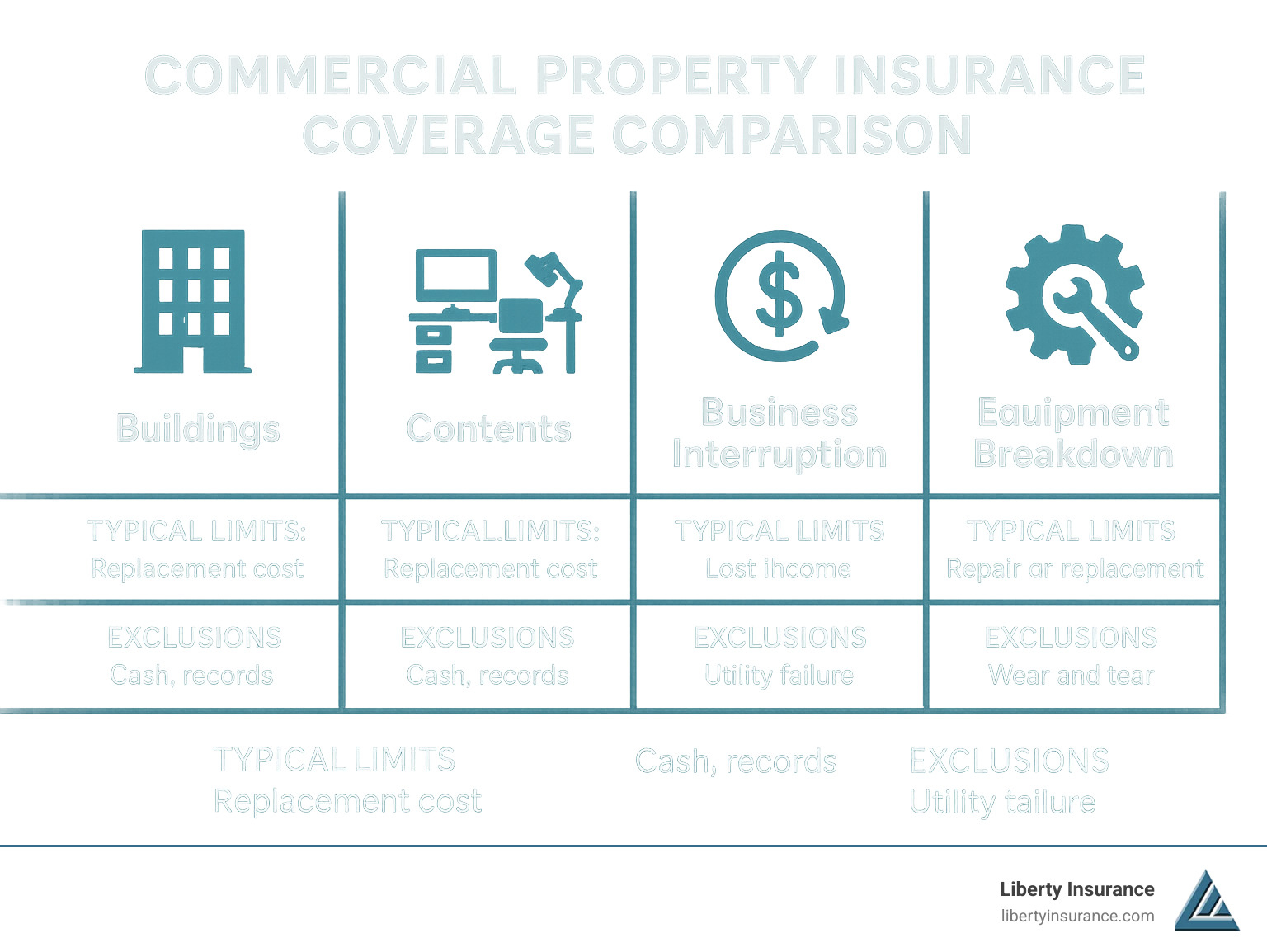
Did you know that 44% of small businesses fail within their first five years? But here’s the kicker: Many of these failures could be averted with the right insurance in place. Insurance is not just a safety net; it’s a growth catalyst.
When you secure your business with insurance, you’re not only protecting your assets. You’re freeing yourself up to make bold decisions without the fear of losing everything. This confidence can lead to business opportunities you might have shied away from otherwise.
Insurance as a Tool for Risk Management and Decision-Making
Let’s face it, running a business is a rollercoaster ride. The twists and turns can be daunting, BUT having a strong insurance policy in place transforms those unexpected drops into manageable dips. A well-structured insurance plan allows you to take calculated risks that can propel your business forward.
Here’s the deal: Insurance companies are pros at evaluating risk. They help you identify potential pitfalls and arm you with strategies to sidestep them. This insight is invaluable and empowers you to make sound, strategic decisions about your business’s future.
Real-Life Success Stories of Businesses Benefiting from Insurance
Check out these real-world examples of businesses that leveraged insurance for growth. Each one showcases how a specific insurance benefit translated into tangible growth outcomes:
| Business Type | Insurance Benefit | Growth Outcome |
|---|---|---|
| Café | Property Insurance | Expanded to a second location after recovering quickly from storm damage |
| Software Startup | Professional Liability Insurance | Secured a major client by demonstrating commitment to risk management |
| Retail Store | Business Interruption Insurance | Maintained cash flow during mandatory pandemic closure and renovated |
Pro Tip: Don’t view insurance as an expense. See it as an investment in your business’s growth and stability.
Each of these businesses could have faced significant roadblocks. But with the right insurance, they turned potential setbacks into stepping stones.
Final Summary
And there you have it, folks! Insurance isn’t just another expense on your spreadsheet—it’s the unsung hero working tirelessly in the background to ensure your business thrives. By picking the right policies, understanding the claims process, and leveraging insurance for growth, you’re not just protecting your business, you’re setting it up for success. So, go out there and conquer the world, armed with the power of insurance!
Frequently Asked Questions
What are the main types of small business insurance?
The main types include general liability insurance, property insurance, and workers’ compensation insurance.
Why is it important for small businesses to have insurance?
Insurance is crucial for financial protection, risk management, and ensuring long-term sustainability.
How does insurance impact the growth of a small business?
Insurance can facilitate business expansion by managing risks and providing security for strategic decisions.
What factors influence the cost of business insurance?
Factors include the type of business, location, number of employees, and coverage limits.
How can small businesses choose the right insurance provider?
By comparing policy offerings, evaluating terms and conditions, and asking the right questions to insurance agents.
What are common insurance claims for small businesses?
Common claims include property damage, liability claims, and employee-related incidents.
