When it comes to running a successful small business, safeguarding your hard work with the right insurance is non-negotiable. Whether you’re a startup looking to make your mark or an established player aiming to stay ahead, understanding the ins and outs of small business insurance can be a game-changer. Dive in as we unravel the essential aspects that every entrepreneur needs to know about small business insurance.
Getting your head around small business insurance might not sound like the most thrilling task, but trust me, it’s crucial. Think of it as the safety net that catches you when life’s unexpected twists come your way. From liability concerns to property protection, having the right insurance coverage means peace of mind. Let’s explore how you can make sure your business is covered against the uncertain.
Importance of Small Business Insurance
Did you know that 40% of small businesses never reopen after a disaster? It’s a shocking stat. But here’s the deal: having the right insurance can be a game changer.
Small business insurance is crucial for risk management. It acts as a safety net, protecting your business from unforeseen disasters. Without it, you’re essentially putting your business on the line every day.
The Role of Insurance in Risk Management
Think of insurance as your business’s bodyguard. It shields you from financial losses due to theft, lawsuits, or natural disasters. Imagine a fire wipes out your inventory. With insurance, you’re not starting from scratch. Instead, you’re covered and can bounce back quickly.
Common Risks Faced by Small Businesses
Every business faces risks, but small businesses often feel them harder. These can range from property damage to customer injuries in your store. Data breaches are also a growing concern, even for small setups. And don’t forget about employee-related risks. Without coverage, any of these could cost you big time.
Benefits of Having Business Insurance Coverage
So why bother with insurance? The benefits are clear. It not only covers your assets but also gives you peace of mind. When you know you have a safety net, you can focus on growth. Plus, it enhances your business’s credibility. Clients and partners see you as a reliable entity.
- Protects against financial loss
- Boosts business credibility
- Offers peace of mind
Legal Requirements for Small Business Insurance
Depending on where you’re operating, insurance might not just be a smart choice—it could be a legal necessity. Many states require businesses to have workers’ compensation insurance if they have employees. In some cases, general liability insurance is also mandated.
Pro Tip: Always check local regulations to ensure you’re compliant.
Types of Small Business Insurance

Did you know that a whopping 40% of small businesses never reopen after a disaster? That’s why understanding the types of insurance available is crucial for protecting your business. Let’s dive into the different policy types you need to consider.
When it comes to insurance, there’s no one-size-fits-all. Different businesses face different risks, and that’s where specific insurance policies come into play. I’ll break down the essentials here.
Understanding Liability, Property, and Workers’ Compensation
First up is Liability Insurance. This covers you when things go wrong with customers or clients, like if someone slips in your store. It’s the most common type of insurance for a reason.
Next, you’ve got Property Insurance. If a fire or theft occurs, property insurance ensures you don’t lose everything. Your physical assets are covered, keeping your business afloat.
Then there’s Workers’ Compensation. Got employees? Then you need this. It covers medical expenses and lost wages if someone gets hurt on the job.
| Insurance Type | Purpose |
|---|---|
| Liability Insurance | Protects against claims from injuries or damages. |
| Property Insurance | Covers damage to buildings and contents. |
| Workers’ Compensation | Helps cover employee injuries and lost wages. |
Industry-Specific Insurance Needs
Not all businesses are created equal. Some industries have unique insurance needs that you can’t ignore. Here’s a quick list:
- Tech Companies: Cyber liability insurance
- Restaurants: Liquor liability insurance
- Construction: Builder’s risk insurance
- Retail: Product liability insurance
- Healthcare: Malpractice insurance
Imagine running a restaurant and a customer gets food poisoning. Without Product Liability Insurance, you could be in deep trouble. Or if you’re in tech, a data breach could spell disaster without proper coverage.
Pro Tip: Always consult with an insurance agent to tailor your coverage to your specific business needs.
How to Choose the Right Insurance for Your Business
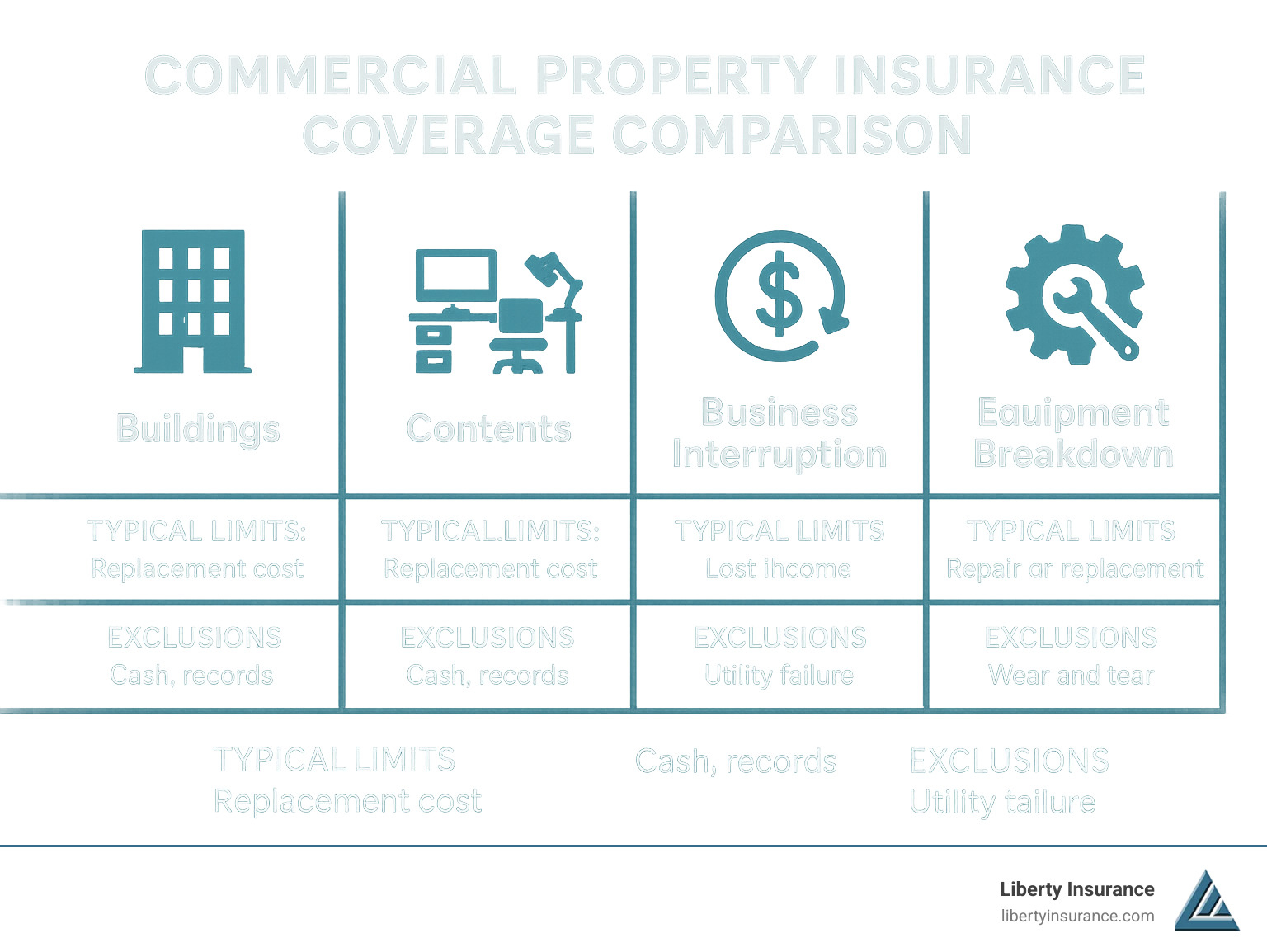
Did you know that 40% of small businesses have never been insured? If you’re one of them, you’re rolling the dice on your business’s future. Let’s fix that.
Choosing the right insurance for your business isn’t just about following trends. It’s about safeguarding your venture against unforeseen hiccups. Here’s the deal: understanding what coverage you need can save you from costly mistakes.
Key Factors to Consider When Selecting Insurance Policies
First things first: not all insurance policies are created equal. You need to focus on coverage limits, deductibles, and premium costs. But don’t stop there. Evaluate the specific risks associated with your industry. For instance, a tech startup may prioritize cyber liability, while a construction firm might lean towards liability and worker’s comp.
Pro Tip: Always consider geographic risks if your business operates in multiple locations.
Evaluating Different Insurance Providers
Just because an insurer is well-known doesn’t mean they’re the best fit for you. Reputation and customer service are crucial, but you should also examine their financial stability. Check their ratings from agencies like A.M. Best and look for reviews from other business owners. Remember, a provider’s responsiveness during a claim can make all the difference.
- Compare quotes from at least three different providers.
- Request references from current clients.
- Check for any history of disputes or complaints.
Step-by-Step Procedure for Assessing Insurance Needs
Ready to dig deeper? Here’s a streamlined approach to pinpoint your insurance needs:
- Identify potential risks your business faces (e.g., natural disasters, lawsuits).
- Assess the financial impact of each risk.
- Determine which risks can be mitigated by insurance.
- Set a budget that aligns with your business’s financial situation.
- Consult with an insurance broker for tailored advice.
Tailoring Insurance Coverage to Specific Business Models
No two businesses are alike. Whether you’re a solopreneur or managing a fleet, your insurance needs will vary. Let’s break down coverage types for different business models:
| Business Model | Recommended Coverage |
|---|---|
| Freelancer | Professional Liability, Equipment Insurance |
| E-commerce | Product Liability, Cyber Insurance |
| Brick-and-Mortar Retail | General Liability, Property Insurance |
| Construction | General Liability, Workers’ Compensation |
By customizing your coverage, you ensure that your business is well-protected against its unique risks. Don’t just buy insurance—invest in peace of mind.
Cost of Small Business Insurance
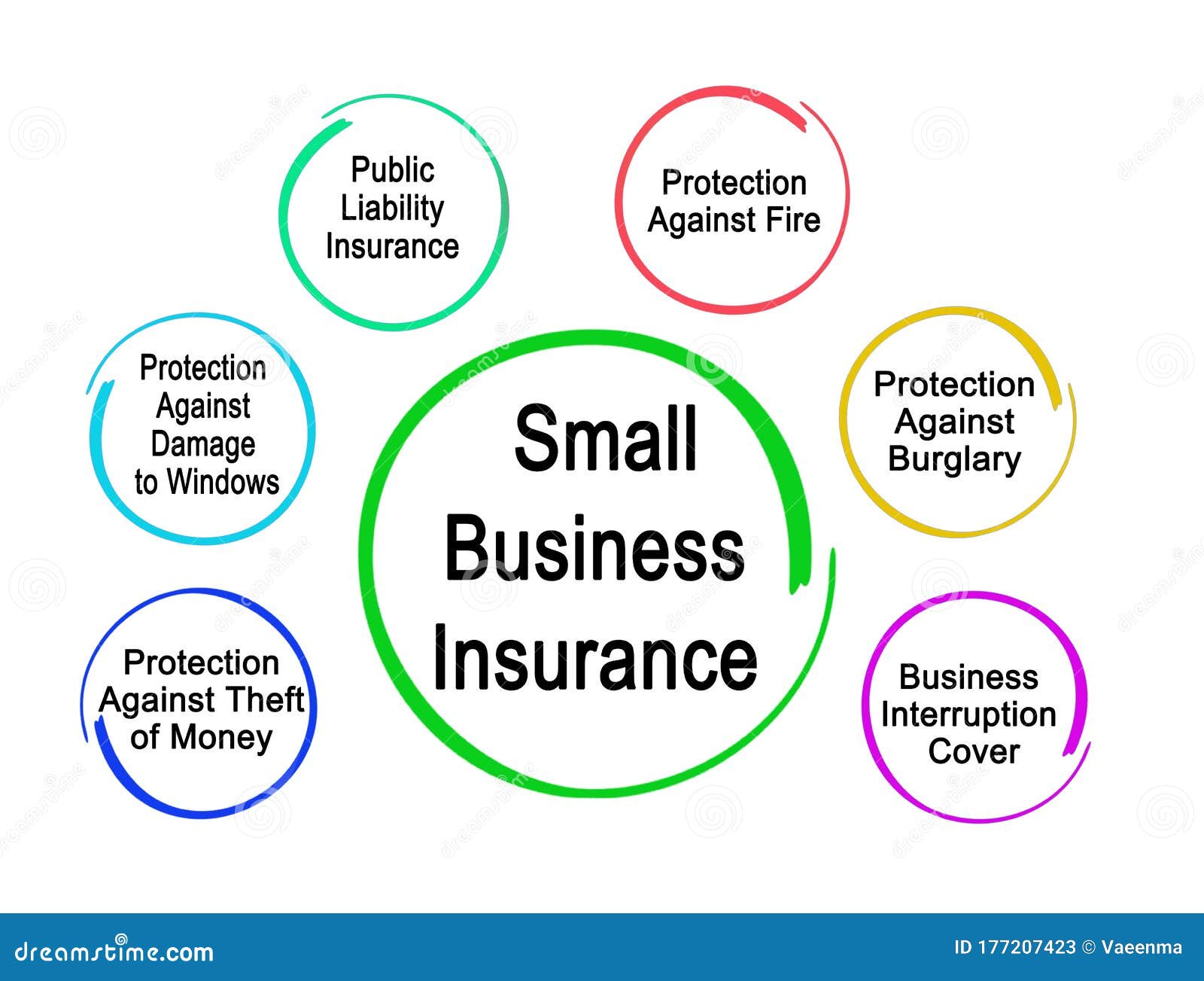
Did you know that nearly 40% of small businesses never reopen after a disaster? That’s why understanding the cost of small business insurance is crucial. But how do you determine if you’re overpaying or underinsured?
The price of your insurance premium can vary wildly based on several factors. From your industry to the size of your business and even your location, each element plays a role. Let’s dive into the nitty-gritty details and find ways to keep costs in check without compromising coverage.
Factors That Affect Insurance Premium Costs
Your business’s industry is a key factor. High-risk sectors like construction often face steeper premiums. Meanwhile, your business size, which includes revenue and employee count, also influences costs. One more thing: don’t forget about your location. Operating in a flood-prone area? Expect higher rates.
Strategies for Cost-Effective Insurance Solutions
Here is the deal: getting the best rate requires some savvy shopping. First, bundle your policies. Insurers often offer discounts when you combine coverages like liability and property insurance. Second, raise your deductibles. Yes, it means more out-of-pocket if you file a claim, but it can significantly reduce your premium.
Pro Tip: Regularly review your policy and adjust your coverage as your business evolves.
Finally, don’t shy away from asking for discounts. Some insurers offer markdowns for risk-reducing measures like security systems or employee training programs.
Costs of Under-Insurance vs. Comprehensive Coverage
Under-insurance might seem like a cost-saver, but it can backfire. Imagine facing a hefty lawsuit or natural disaster with insufficient coverage. The costs could be devastating. On the flip side, comprehensive coverage safeguards your assets, but it’s not cheap. However, it often pays off when disaster strikes.
Let’s break down typical costs for different industries.
| Industry | Average Annual Premium |
|---|---|
| Construction | $1,200 – $3,500 |
| Retail | $750 – $1,500 |
| Consulting | $500 – $1,000 |
| Tech Startups | $1,000 – $2,500 |
Remember, these are just averages. Your actual cost could differ, but this gives you a ballpark idea of what to expect.
Claims Process and Management
Did you know that nearly 40% of small businesses will file an insurance claim in the next 10 years? Filing a claim can seem daunting, but it doesn’t have to be.
The insurance claim process for small businesses generally involves notifying your insurer of a loss, providing documentation, and working with an adjuster. But here’s the deal: understanding the claims process before you need it can save you a ton of headaches.
Filing a Small Business Insurance Claim
The first step in the claims process is to contact your insurance provider as soon as an incident occurs. Most providers have a 24-hour hotline to report claims. You’ll need to provide details about the incident such as the time, date, and nature of the loss.
Next, an adjuster will be assigned to your case. Their job is to evaluate the damage and determine the amount of compensation you’ll receive. But don’t just sit back and wait—be proactive and follow up regularly.
Required Documentation for a Successful Claim
To ensure a smooth claims process, you’ll need a well-documented case. This includes photos of the damage, any relevant receipts, and a copy of your insurance policy. The more detailed your information, the quicker your claim can be processed.
It’s also wise to keep a log of any correspondence with your insurer. This will help you track the progress of your claim and resolve any discrepancies quickly.
Tips for Streamlining and Managing the Claims Process
I get it—managing a claim is the last thing you want to do when your business is in crisis. But there are ways to make it easier. First up: make sure you understand your policy inside and out. This will help you avoid surprises when filing a claim.
- Keep your insurance documents organized.
- Have a point person in charge of managing claims.
- Use a digital platform to track your claim progress.
- Don’t hesitate to ask your insurer questions.
Pro Tip: Establish a relationship with your insurance agent before filing a claim. A good rapport can streamline the entire process.
Improving Communication with Insurance Providers
Many small businesses struggle with communicating effectively with their insurance providers. To bridge this gap, consider regular check-ins with your agent to stay updated on any policy changes or new regulations.
Additionally, make sure all communication is clear and documented. Whether it’s via email or phone, clarity can prevent misunderstandings and ensure your provider knows exactly what you need.
Trends and Innovations in Small Business Insurance
Did you know that 44% of small businesses don’t have insurance? That’s a risky bet. With the rise of digital tools, the insurance landscape is transforming faster than ever.
Small businesses are now leveraging technology to manage their insurance more effectively. Imagine having a dashboard that tracks your coverage, claims, and payments all in one place. This is not the future—it’s happening now.
Digital Tools Revolutionizing Insurance
The shift towards digital is dramatically impacting how small businesses handle insurance. Tools like mobile apps and online portals are enabling instant access to policy details, making it easier to manage and update your coverage. Plus, these platforms often provide real-time alerts for important policy changes.
Here’s the deal: digital tools are streamlining the claims process too. What used to take weeks can now be initiated and tracked from your phone. The result? Faster payouts and less stress for you.
Data Analytics: The Secret Weapon
Ever wish your insurance plan was tailored just for you? Thanks to data analytics, that’s now possible. Insurers are using data to customize policies based on your specific needs and risks. This means you only pay for what you need, potentially saving you a lot of cash.
But there’s more. Analytics also help in predicting future risks, ensuring you’re prepared for anything that comes your way. It’s like having a crystal ball—but backed by data.
Pro Tip: Embrace data analytics to personalize your insurance policy. You’ll likely find better coverage at a lower cost.
Case Study: Innovation in Action
Meet ABC Bakery, a small business that embraced insurance innovation head-on. They utilized a digital platform to manage their insurance and used data analytics to refine their coverage. The result? A 25% reduction in premiums and a more robust policy.
ABC Bakery’s success lies in their willingness to adopt new technologies. By leveraging these tools, they not only saved money but also protected their business more effectively. It’s a game-changer for small businesses willing to innovate.
Conclusion
In the constantly evolving world of business, being insured isn’t just a luxury; it’s a necessity. As we’ve journeyed through the essentials of small business insurance, it’s clear that having the right coverage can be a powerful ally in your entrepreneurial journey. Whether it’s managing risks, choosing the correct policy, or staying ahead of industry trends, being informed and proactive is key. So, step confidently into the future with insurance that’s tailored to your business needs.
Answers to Common Questions
What is the role of insurance in small business risk management?
Insurance helps mitigate financial risks by covering potential losses from various business operations and liabilities.
What types of risks do small businesses commonly face?
Common risks include property damage, legal liabilities, employee injuries, and unforeseen events that could disrupt operations.
Why is business insurance important for small businesses?
It provides financial protection against unforeseen events, helps comply with legal requirements, and enhances credibility with clients and partners.
What are the legal requirements for small business insurance?
Legal requirements vary by location and industry, but often include workers’ compensation and liability insurance.
How can a small business choose the right insurance policy?
Consider factors like business size, industry risks, budget, and coverage needs. Evaluate providers based on reputation, offerings, and customer service.
